

Knowing what to say before meeting an adult companion in Barnsley can make the whole experience feel more comfortable and straightforward. A good first message does not need to be elaborate. It should be polite, clear and easy to answer, while showing that you have read the available information and understand the importance of mutual comfort.
This guide focuses on the communication around a first meeting: how to open the conversation, what details to confirm, which subjects help establish a relaxed tone and how to present yourself thoughtfully when you meet. It is intended for adults and should be read alongside the companion’s own stated preferences and boundaries.
Start with a clear, courteous introduction
The opening message sets the tone. Use your name or first name, state that you are enquiring about a meeting in Barnsley and briefly explain when you are hoping to meet. Avoid sending only “Hi”, a string of emojis or a message that demands an immediate response. A little context makes replying easier and signals that you are approaching the conversation seriously.
A useful opening might be:
“Hello, I’m Daniel. I’m looking to arrange a meeting in Barnsley next week, preferably on Tuesday evening. I’ve read your information and would be pleased to check whether that timing could work for you.”
This works because it is warm without being overfamiliar. It gives a general timeframe, avoids unnecessary personal detail and leaves room for the other person to respond on their own terms. If you are travelling from elsewhere, such as Sheffield, Rotherham or Doncaster, you can mention that briefly if it affects your likely timing, but there is no need to provide a detailed travel story.
Show that you have paid attention
Before writing, read the profile or information available carefully. If the companion has specified preferred contact methods, suitable times or topics they do not discuss, respect those points from the beginning. Repeating a question that has already been answered can make the conversation feel rushed or impersonal.
Referencing one relevant detail is enough. For example:
- “I noticed you prefer messages with the date and approximate time included, so I’ve added both below.”
- “I’ve read your notes about keeping communication discreet and will respect that.”
- “You mentioned that clear arrangements help you feel comfortable, so I’d like to confirm the basic details before we proceed.”
Avoid commenting on someone’s body, making assumptions about their personality or turning the first message into a stream of compliments. A sincere, restrained compliment is usually more appropriate than intense flattery.
Ask practical questions without making the message feel like an interrogation
Once you have introduced yourself, ask only the questions needed to establish whether the meeting is suitable. Keep the wording neutral and allow the companion to explain their own arrangements. Useful questions may cover the broad date, approximate time, communication preference and any important boundaries or expectations already relevant to the enquiry.
For example:
“Would Tuesday at around 7pm be suitable, or is another evening better? Please let me know if there is anything you would like me to understand before confirming.”
This is more considerate than sending a long checklist. It also gives the other person a natural opportunity to raise something important. Do not pressure anyone to disclose a private home address, personal social-media account or information unrelated to the proposed meeting.
If you are considering options across South Yorkshire or nearby areas, keep each enquiry specific. A message about Barnsley should not read as though it has been copied to several people. If your plans may involve Sheffield, Mexborough or Rotherham instead, say so only when it is genuinely relevant and be transparent about which location you are asking about.
Set a relaxed tone before the meeting
Good communication is not only about confirming details. It helps both people understand the mood of the meeting. You can state that you value a calm, respectful conversation and that you are happy to follow agreed boundaries. This is particularly useful if you are feeling nervous.
Try:
“I’m looking forward to meeting and would like to keep things relaxed and respectful. I’m happy to take a little time to get comfortable and to follow the boundaries we agree.”
That sentence is confident without being demanding. It does not presume familiarity or make promises about how the meeting will develop. Remember that consent and comfort remain ongoing; a positive exchange beforehand is not permission for anything that has not been agreed.
It is also fine to say that you are new to this kind of meeting. You do not need to apologise or provide a personal history. A simple statement such as “This is my first time arranging a meeting like this, so I appreciate clear communication” can help establish an honest, unpressured tone.
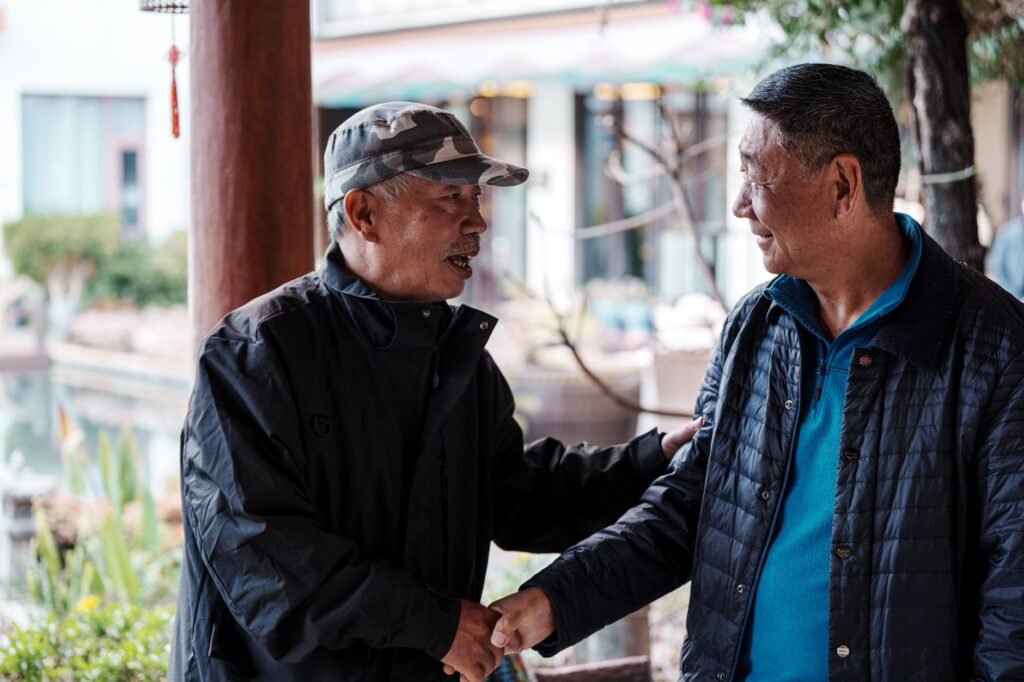
Conversation topics that help you make a good first impression
When you meet, begin with ordinary, low-pressure conversation. The aim is not to perform or fill every silence. A friendly greeting, a brief check that the arrangements are still comfortable and a little neutral conversation can help both people settle.
Suitable opening subjects
- How the day has been, without pressing for private details.
- General interests such as films, food, music, books or travel.
- Whether the journey or timing has been straightforward.
- Light observations about Barnsley or the surrounding area.
- How each person would prefer the first few minutes to proceed.
If you are arriving from Chesterfield, Dinnington, Worksop or another nearby town, travel can be a simple icebreaker, but avoid making the conversation entirely about distance or inconvenience. Likewise, someone visiting from further afield may appreciate a calm welcome rather than a detailed interrogation about where they have come from.
Let the other person guide the level of personal conversation. Do not ask for their legal name, home address, family details or private social accounts unless they volunteer that information and it is clearly appropriate. Avoid questions that sound like tests, attempts to catch someone out or demands for reassurance.
Present yourself thoughtfully in person
A good first impression is mostly about reliability and consideration. Arrive clean, appropriately dressed and prepared to follow the arrangements you made. Keep your phone under control, unless you need it for an agreed practical reason, and avoid recording, photographing or sharing anything without explicit permission.
Use the name and form of address the companion has chosen. A polite greeting and a quick check such as “Is it still comfortable to go ahead?” can be reassuring. Pay attention to non-verbal cues, but do not rely on them instead of clear communication. If you are unsure about something, ask calmly rather than assuming.
Do not treat confidence as an excuse for being overly familiar. Avoid touching, sexual remarks or personal questions at the outset unless the subject has been clearly welcomed. Respecting a pause, a change of mind or a request to stop is part of making the meeting safe and comfortable for both adults.
Messages and habits that can undermine trust
Several common approaches create unnecessary pressure. Avoid sending repeated follow-ups when a reply has not arrived, bargaining over agreed terms, making last-minute demands or using language that suggests the other person owes you attention. Do not send explicit images or messages unless that type of communication has been specifically invited and is lawful and appropriate.
It is also unhelpful to exaggerate your plans, pretend to have experience you do not have or make promises you cannot keep. If your timing changes, communicate promptly and accept that the other person may not be able to rearrange. A short, courteous cancellation is better than disappearing.
For more background on communicating respectfully in this setting, you can read the guide to escort booking etiquette in Barnsley. The same principles apply here: clarity, courtesy, privacy and respect for personal boundaries.
A simple first-message template
You can adapt this structure without copying it word for word:
- Greet the companion politely and introduce yourself.
- Say that you are enquiring about a meeting in Barnsley.
- Give a broad date and time that you can genuinely keep.
- Refer briefly to a relevant preference or boundary you have read.
- Ask whether the timing is suitable and invite any essential clarification.
For example:
“Hello, I’m James. I’m enquiring about meeting in Barnsley on Friday at around 6.30pm. I’ve read your information and understand the importance of keeping arrangements discreet and respectful. Would that general timing suit you? Please let me know if there is anything important to confirm before arranging the meeting.”
Keep the final version natural and truthful. A concise message that sounds like a real person is usually more effective than a carefully engineered paragraph.
Before you send
Read the message once as if you were receiving it. Is the purpose clear? Have you included a realistic timeframe? Does the wording give the recipient space to say no or suggest another option? Remove anything overly personal, demanding or explicit.
When meeting an adult companion in Barnsley, the strongest first impression comes from being dependable, attentive and easy to communicate with. Start with a respectful message, keep the conversation proportionate and let comfort and consent guide the interaction. To explore wider options and locations in the region, visit the England profiles and locations page.










No one commented yet. Be the first.