

When people think about creating a romantic atmosphere, the mind often drifts toward grand gestures, expensive reservations, and complicated itineraries. We imagine candlelit dinners at exclusive venues, elaborate weekend getaways, or perfectly orchestrated surprises that require weeks of meticulous planning. Yet, if you look closely at what actually builds a close loving relationship, the reality is refreshingly different. True romance rarely stems from logistical perfection; instead, it is born from undivided attention, shared laughter, and stripping away the noise of daily obligations. This is especially true in a historic and evocative setting like Canterbury, where the medieval streets, whispering river, and ancient stone architecture provide an organic backdrop that needs no artificial enhancement.
Stripping away the pressure of high-stress date planning allows partners to focus on what matters most: each other. Too often, couples fall into the trap of turning romance into a performance. When an evening requires navigating impossible booking queues, rigid schedules, and over-hyped venues, the underlying anxiety can overshadow the actual connection. By contrast, embracing simplicity means allowing an outing to unfold naturally. Whether you are strolling along ancient fortifications, sharing a quiet moment by the water, or exploring independent bookshops without a fixed timeline, simple plans create the psychological safety needed for genuine intimacy. Psychologists often note that romantic love functions as a distinct motivational drive—a powerful pull toward bonding that thrives best in low-pressure, high-comfort environments where both people feel completely at ease.
Rediscovering Intimacy Amidst Historic Charm in Canterbury
Canterbury offers a masterclass in how environment influences mood. Unlike the overwhelming pace found in massive metropolis hubs like London or Birmingham, where you might easily spend an hour just commuting across town for a drink, Canterbury keeps human scale intact. You can step out of a quiet café and find yourself instantly immersed in centuries of layered history, from the soaring majesty of the cathedral to the hidden nooks along the River Stour. This compact, walkable layout removes the logistical friction that so often plagues modern dating. There is no frantic rushing for the last train or getting lost in sprawling concrete mazes; instead, you have the luxury of time and space to wander.
This sense of ease invites a different kind of dating experience—one that echoes the quiet countryside charm often associated with places like Suffolk, yet grounded within a bustling, vibrant student and market city. Imagine starting your day with a slow walk through the cobbled lanes, stopping to inspect quirky antique windows, or finding a bench overlooking the water to talk uninterrupted. When your environment is naturally picturesque, you do not need to manufacture a romantic vibe. The setting does the heavy lifting, allowing you to direct your full cognitive and emotional focus toward your partner. It is a reminder that a close loving relationship is sustained not by grand spectacles, but by ordinary moments noticed and appreciated together.
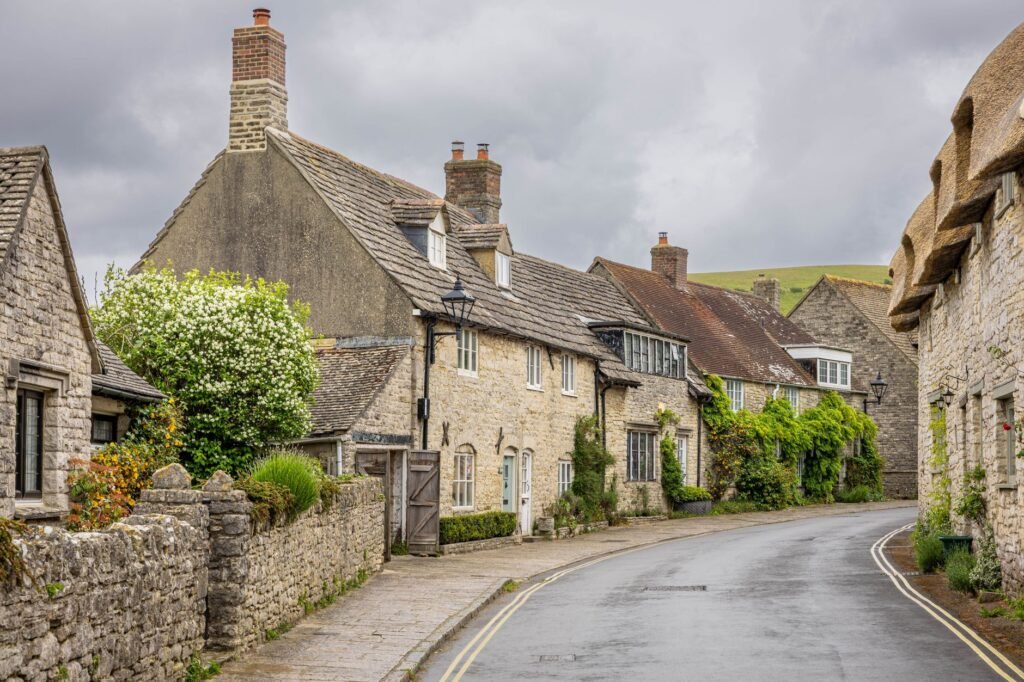
Of course, the beauty of a romantic excursion often lies in the contrast between everyday routine and shared novelty. While Canterbury provides a stunning local stage, people seeking inspiration often look at how different environments shape our social lives across the country. For instance, the theatrical energy of a bustling arts scene in Manchester or the vibrant cultural districts of Leeds can offer an exciting urban contrast, just as the creative neighborhoods of Bristol or the academic elegance found around Nottingham bring distinct flavors to modern courtship. Yet, returning to the intimacy of a smaller historic enclave often highlights why simplicity remains undefeated. You do not need flashing lights or a massive crowd to feel a spark; sometimes, all it takes is a shared glance across a quiet courtyard while the afternoon light catches ancient stone.
The Psychology of Simple Connection: Moving Beyond Idealized Expectations
Human beings have spent centuries romanticizing love through literature, poetry, and cinema. We are fed a steady diet of cinematic love stories, grand declarations, and idealized expectations that suggest every relationship should resemble a sweeping epic. While these cultural touchstones can be deeply entertaining, they can also create a subtle sense of inadequacy in real life. When everyday life involves paying bills, commuting, and managing chores, feeling like your relationship isn’t a blockbuster movie can lead to unnecessary disappointment. Understanding romantic love requires recognizing that its true power lies in its quiet resilience rather than theatrical fireworks.
In psychological terms, romantic love is an intense motivational state, but it is deeply intertwined with everyday attachment and security. When we strip away the unrealistic demand for perfection—an illusion akin to expecting a secluded farm to run without grueling daily labor—we free ourselves to appreciate the beauty of the mundane. A simple evening walk through the historic quarters of Canterbury, perhaps grabbing a warm pastry or sharing a bench near the Dane John Gardens, offers more authentic bonding than a stressful, overpriced dining experience where neither person can hear the other speak over the ambient noise.
This minimalist approach to dating can be applied anywhere, whether you are exploring leafy suburban avenues in Ealing, finding a quiet corner in a traditional Paddington pub, enjoying the artistic buzz of Chelsea, or taking in the industrial heritage and modern dining of Sheffield and Leicester. Across all these diverse landscapes, the core truth remains identical: intimacy is built through presence, active listening, and emotional availability. When you stop trying to curate the ‘perfect’ date according to external metrics, you make room for authentic chemistry to emerge.
Crafting Your Own Effortless Itinerary
Building a successful, stress-free date boils down to a few guiding principles that prioritize comfort over complexity. First, embrace spontaneity within a loose framework. Instead of booking every minute of the day, pick a general destination—such as the historic heart of Canterbury—and let the afternoon guide you. Allow yourselves to wander down unfamiliar alleys, duck into a small independent art gallery, or pause for coffee whenever the mood strikes. This removes the administrative burden of dating and replaces it with a sense of shared adventure.

Second, focus on sensory engagement rather than material extravagance. True romance is heightened when you engage your senses with your surroundings: the sound of a street musician playing acoustic guitar near the Buttermarket, the rich scent of roasting coffee beans drifting from a local roastery, or the visual texture of medieval timber-framed houses leaning gently over the lane. These sensory details anchor you firmly in the present moment, making the experience memorable without requiring a lavish budget or an exhausting itinerary.
Finally, remember to balance your outings. While local explorations in places like Liverpool or Bristol offer fantastic urban weekends when you crave a change of scenery, never underestimate the power of returning to simple, low-key routines in your immediate surroundings. A relationship thrives when both partners feel comfortable doing absolutely nothing special together, proving that the bond is strong enough to withstand quietness. By letting go of the pressure to perform and embracing the simple, unscripted moments of everyday life, you create a resilient, deeply fulfilling connection that lasts long after the initial novelty fades.
Explore locally
Related guide: Romantic in East Kilbride: When Simple Plans Work Best.










No one commented yet. Be the first.