

When exploring the intricate layers of romantic history, pair bonds, and the evolution of personal relationships, researchers often find themselves tracing the historical threads of how people connect. Courtship—defined broadly as the period of time when individuals spend quality time together to evaluate compatibility before committing to marriage or a serious long-term path—carries a rich legacy. While modern digital dating has reshaped how partners meet, understanding the historical mechanics of how couples become familiar with one another offers a fascinating lens into social history. For anyone based in Exeter, investigating these romantic traditions opens up a rewarding avenue of local study, allowing enthusiasts to examine how archival records, historical architecture, and regional customs reflect changing human connections over the centuries.
Researching historical courtship is not merely an exercise in looking at old marriage certificates; it is an exploration of societal norms, changing cultural scripts, and regional idiosyncrasies. Much like scholars analyzing historical customs in New England or tracing shifting marital patterns through different eras, local researchers in Exeter can uncover how earlier generations navigated romantic intentions. To do this properly, one must look beyond standard textbooks and examine primary sources, local library archives, and the physical spaces where social interactions traditionally took place. Whether you are analyzing how relationships were structured before the societal shifts of the mid-twentieth century or simply tracing genealogical timelines, grounding your research in local context is essential.
Navigating Archives and Local Records in Exeter
The cornerstone of any serious historical investigation into courtship lies in primary documentation. In Exeter, researchers have access to a wealth of historical repositories that house parish registers, marriage records, and local correspondence. These documents provide concrete evidence of how long couples spent getting to know each other prior to formal union. Parish records often reveal the temporal gap between the initial posting of banns and the actual wedding ceremony, offering a glimpse into the duration of local engagements during various centuries.
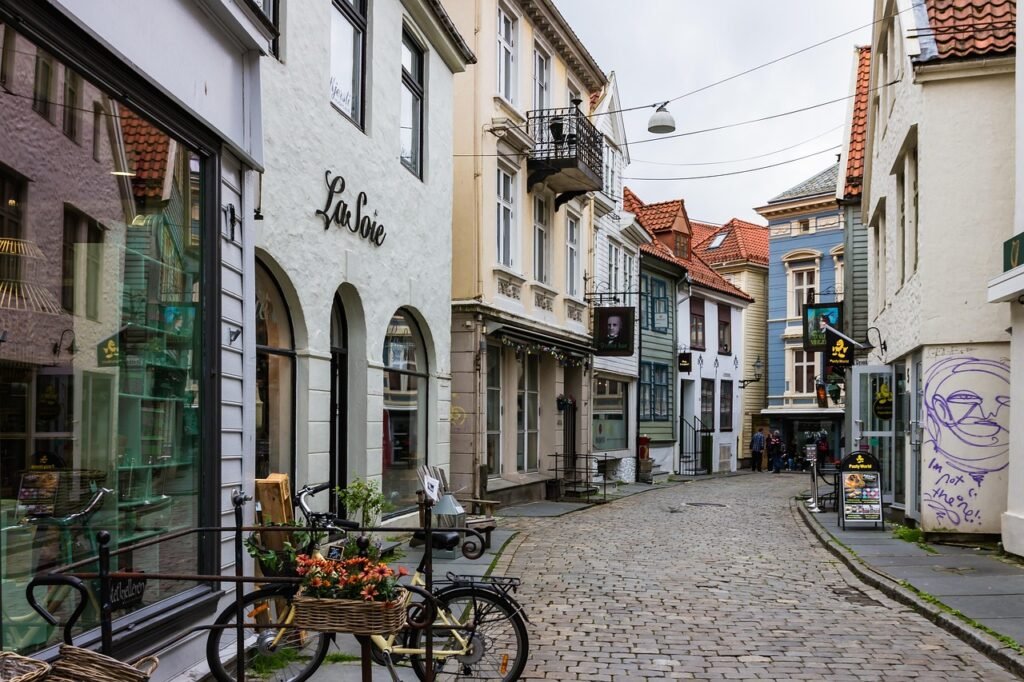
When conducting archival research, it helps to expand your perspective by comparing local patterns with findings from other regional hubs. For instance, researchers studying southwestern England frequently draw comparative parallels with records found in Bristol or examine how urban romantic customs differed when contrasted with practices further north in Birmingham or Manchester. Similarly, looking at the administrative archives of larger metropolitan centers like London or historical districts such as Paddington and Chelsea can highlight whether Exeter’s local courtship customs followed national trends or retained a distinct regional character. By cross-referencing Exeter’s local records with data from institutions in cities like Leeds, Sheffield, or Liverpool, historians can paint a comprehensive picture of how romantic traditions varied across different communities and social strata.
Examining the Evolution of Romantic Scripts and Social Spaces
Understanding courtship requires looking at the physical and social environments that permitted potential partners to interact. Historically, romantic exploration was heavily mediated by community standards, family oversight, and designated social spaces. In a historic cathedral city like Exeter, public promenades, assembly rooms, and local parks served as the natural backdrops where prospective partners could observe one another under the watchful eye of society. These physical settings dictated the pace and boundaries of early interactions, ensuring that couples became familiar with each other’s character within socially accepted parameters.
As social historians note, the structured scripts governing these interactions underwent massive transformations over time. The rigid frameworks that once dictated how a marriage proposal was approached gradually gave way to more autonomous forms of socializing. To understand these shifts fully, researchers often look at how regional towns adapted to broader cultural changes. For example, comparing the social dynamics of Exeter with urban environments like Ealing or studying the distinct community frameworks found in Leicester can reveal how proximity to larger economic centers influenced local dating customs. Observers note that while traditional courtship was once heavily bound by formal rules, successive generations steadily discarded old scripts in favor of more fluid, independent paths toward pair bonding.
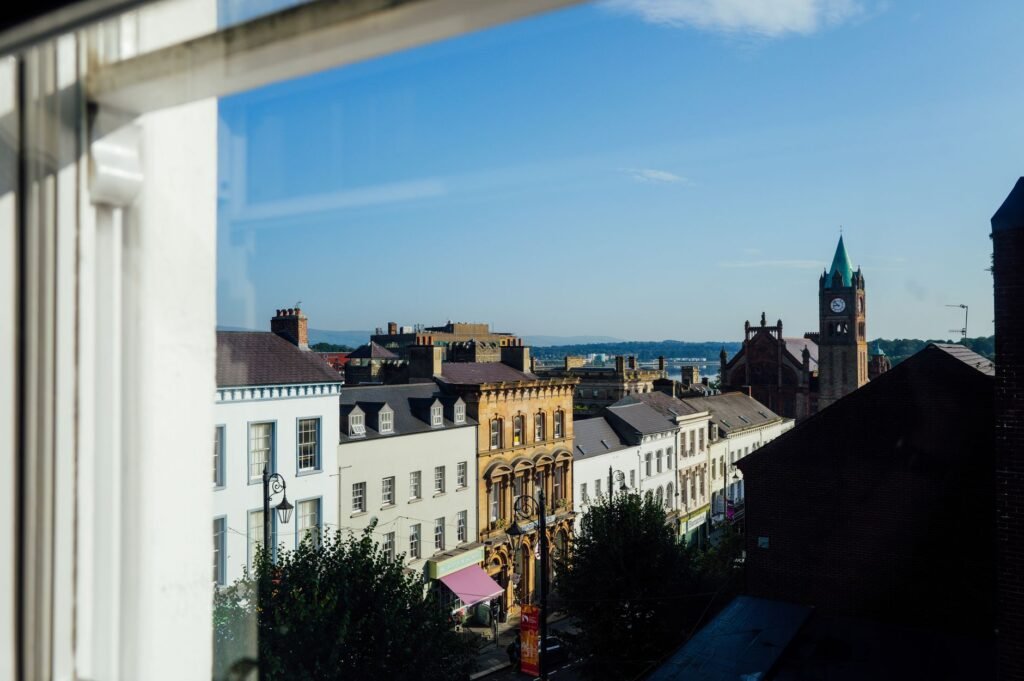
Practical Methodology for Modern Researchers
If you are planning to conduct your own research into the history of courtship within Exeter, establishing a structured methodology is vital. Begin by mapping out your research objectives: are you investigating genealogical timelines, societal expectations, or the physical architecture of historical romance? Once your scope is defined, utilize a combination of digital databases, local history libraries, and physical site visits. Examine newspapers from past eras, which often featured society columns, engagement announcements, and editorial debates regarding the changing nature of marriage and courtship.
Furthermore, do not overlook the value of comparative local history. Engaging with historical societies not just in Exeter, but also exchanging insights with researchers exploring adjacent regions, enriches your understanding. Whether your investigative trail leads you to examine old diaries, ecclesiastical court records, or municipal planning documents that highlight historic social venues, a thorough approach ensures your historical narrative remains accurate and grounded in verifiable evidence. By meticulously piecing together these fragments of the past, you gain a profound appreciation for how human connection, commitment, and romance have continually evolved.










No one commented yet. Be the first.