
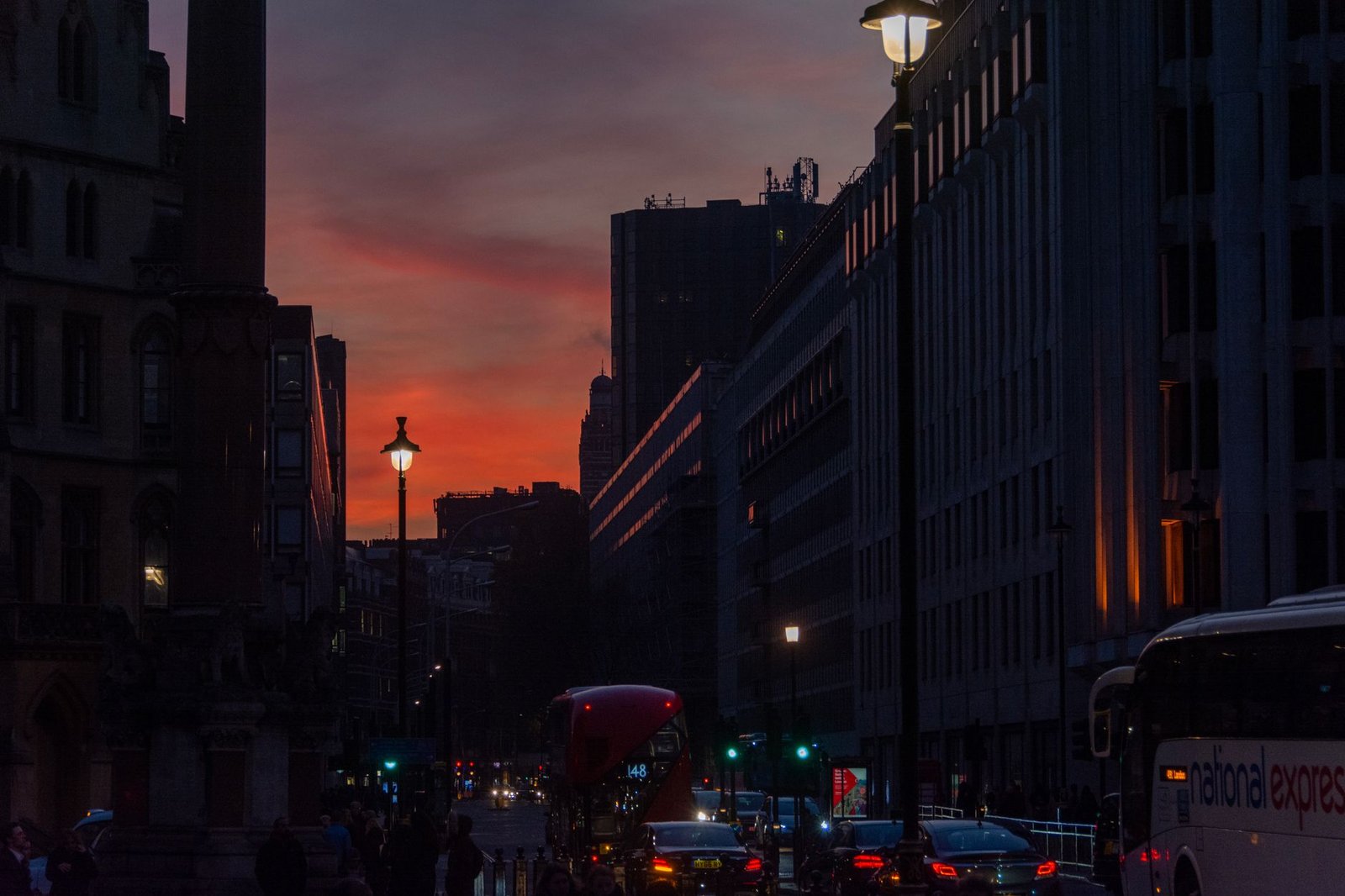
Entertainment in London is rarely a static affair. From the historic music halls of the West End to experimental digital art exhibitions tucked into post-industrial railway arches, the capital’s cultural machinery is constantly shifting gears. For decades, the baseline expectation of a night out involved a predictable routine: a pint at a local Victorian pub, a standard restaurant booking, and perhaps a ticket to a touring West End musical. Yet, the past few years have introduced a profound recalibration in how residents and visitors consume leisure, night-time culture, and interactive experiences. As societal habits bend toward flexibility, digital integration, and immersive engagement, the entire ecosystem—from massive commercial streaming networks to local community venues—is undergoing a structural evolution.
This transformation is not occurring in a vacuum. It is heavily influenced by larger economic shifts, technological adoption, and a post-pandemic re-evaluation of public spaces. When examining how entertainment is changing in London, one must look at the intersection of traditional hospitality, cutting-edge digital media, and the relentless evolution of the night-time economy. Venues are no longer competing merely against neighboring bars; they are competing against the immersive comfort of home entertainment, hyper-targeted social algorithms, and entirely new categories of interactive leisure.
The Evolution of London’s Night-Time Economy and Social Habits
The traditional London pub crawl or late-night club excursion has faced serious economic and structural pressures, prompting a creative reimagining of what an evening out can achieve. Night-time economy stakeholders in areas spanning from inner-city cultural hubs out toward suburban pockets like Ealing and Paddington have noted a distinct pivot toward experiential entertainment. Rather than passive consumption—such as sitting quietly in a dark theater or standing shoulder-to-shoulder in an overcrowded club—audiences increasingly demand agency, interactivity, and multi-sensory stimulation.
This shift is visible in how venues structure their spaces. Board game cafes, competitive socialising venues featuring tech-infused darts and indoor mini-golf, and pop-up immersive theater installations now dominate weekend calendars. People want to do something while they socialize. This mirrors changes seen in commercial hubs outside the capital, where regional centers like Manchester and Leeds have similarly embraced experiential hospitality. Even as far north as Sheffield or across the cultural stretches of Liverpool, the blueprint of the night out has traded pure volume drinking for curated, high-value experiences.
Furthermore, operational pressures have forced venues to become more adaptable. Licensing changes, shifting transport schedules, and rising overheads mean that entertainment providers must maximize every square foot and every operating hour. The boundary between daytime retail or workspace and nighttime leisure has blurred. A cafe by day transitions smoothly into a craft beer and acoustic music venue by dusk, optimizing space and catering to audiences who appreciate flexibility over rigid venue categorizations.
Digital Convergence, Streaming, and the Business of Modern Media
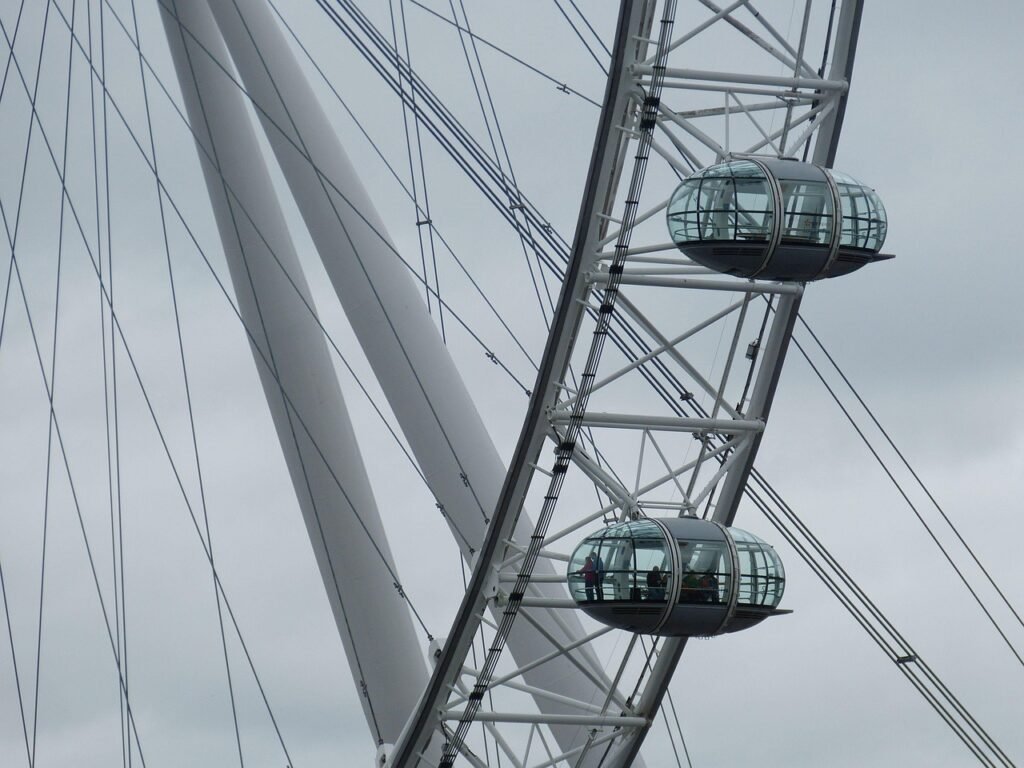
While physical venues adapt on the ground, the invisible infrastructure powering London’s entertainment landscape is undergoing an equally dramatic restructure. The boundaries between broadcasting, digital streaming, and corporate media ownership continue to dissolve. Major commercial maneuvers—such as corporate consolidations within the UK’s streaming and television sectors, exemplified by Sky’s agreement to acquire ITV Media & Entertainment—signal a race to build powerful, unified domestic streaming champions capable of competing with global tech giants.
This corporate consolidation trickles down directly to the consumer experience. The average viewer in districts stretching from Chelsea down to historic quarters in Abingdon no longer waits for weekly linear television broadcasts. Instead, entertainment consumption is hyper-fragmented yet simultaneously aggregated through sophisticated tracking platforms like JustWatch joining forces with domestic home entertainment groups to map out viewing habits in real-time. The consumer’s living room has become the primary battleground for leisure time, pushing physical venues to offer spectacles that simply cannot be replicated on a domestic 4K screen.
At the same time, the broader economic currents—including fluctuations in currency values that historically impact the UK media and entertainment export market—mean that British content production studios remain exceptionally busy. London continues to serve as a massive global talent incubator, drawing international interest, co-productions, and creative capital, even as certain legacy corporate entities adjust their global listings or streamline operations.
Technology, Artificial Intelligence, and Interactive Gaming
Perhaps the most disruptive engine of change within the modern entertainment ecosystem is the rapid integration of artificial intelligence and digital interactivity. Following years of industry-wide creative labor disputes and strikes across global media markets, regulators and creators alike are grappling with how AI reshapes production pipelines. In London’s burgeoning tech-meets-arts sectors, AI is no longer a futuristic novelty; it is an active tool used in game design, visual effects, script diagnostics, and personalized marketing.
This technological leap was vividly underscored during major showcases such as the London Games Festival, where initiatives by entities like Xsolla highlighted the growing convergence of accessibility, social impact, and intellectual property licensing within digital gaming. Gaming has effectively eclipsed traditional cinematic box office returns in cultural relevance, becoming the dominant interactive storytelling medium for younger generations.

This digital-first ethos radiates outward to regional creative outposts. Innovation hubs in Bristol and Nottingham frequently collaborate with London-based studios to test augmented reality (AR) and virtual reality (VR) installations. Meanwhile, cultural organizers in cities like Birmingham and Leicester look to the capital’s tech-arts festivals as a testing ground for interactive public installations that merge physical architecture with digital projections.
The Road Ahead for British Leisure and Cultural Spaces
As London looks toward the future, the definition of entertainment will continue to stretch across boundaries. The friction between digital isolation and the human craving for communal gathering will likely fuel further hybrid models. Venues that survive and thrive will be those that embrace fluidity—offering seamless digital booking and community engagement alongside warm, physical hospitality.
Ultimately, the transformation of UK entertainment is a testament to resilience and reinvention. Whether it is a major broadcasting network merging to face the streaming era, a gaming festival introducing cutting-edge IP licensing, or a neighborhood venue rethinking its night-time offerings to suit modern dietary and social preferences, the core desire remains unchanged: people want to be moved, connected, and entertained. London remains the beating heart of this creative experiment, setting a dynamic pace that resonates far beyond its borders.
Explore locally










No one commented yet. Be the first.