
Good escort booking etiquette in Cambridge is largely about treating the person you are contacting as a professional with their own time, boundaries and privacy. A clear, courteous approach makes arrangements easier for everyone and helps avoid misunderstandings before a meeting takes place.
This guide covers practical communication, consent, punctuality, discretion and safer booking habits. It is intended for adults arranging consensual companionship and does not assume that any particular service, date, location or availability will apply.
Start with a clear and respectful enquiry
A first message does not need to be long, but it should contain enough useful information to allow a considered reply. Introduce yourself briefly, state that you are enquiring about an adult companionship booking, and include the date, approximate time, preferred area and length of meeting if you know them.
Cambridge can involve different practical arrangements depending on whether you are local, travelling for work, visiting the university area or staying outside the centre. If you are coming from Ely, Newmarket or Royston, allow enough time for delays rather than presenting a tight arrival window as a firm promise.
- Use a polite greeting and a name or first name you are comfortable sharing.
- Give realistic dates and times rather than sending several vague possibilities.
- Ask whether your proposed location and arrangements are suitable.
- Read the available information before asking questions that have already been answered.
- Keep the tone professional and avoid comments about appearance that could feel intrusive.
Repeated messages, pressure for an instant response or demands for personal information are poor etiquette. A delayed reply does not necessarily mean anything beyond the person being occupied; send one sensible follow-up if appropriate, then give them space.

Discuss expectations without making assumptions
Respectful planning depends on being specific about the practical details while recognising that a booking is not a promise of anything beyond what has been mutually agreed. Profiles and initial conversations may set out general preferences, but they do not replace a direct conversation about the proposed meeting.
Ask concise, relevant questions about timing, meeting format, permitted communication and any important arrangements. Do not treat photographs, clothing, profile wording or a previous booking as implied consent to a different plan. Each meeting should be approached as a new agreement between adults.
It is also reasonable to explain your own requirements calmly. For example, you might need a quiet setting, have a mobility consideration, or want to confirm whether a particular time can be kept. Clear information early on gives the other person a fair opportunity to accept, decline or suggest an alternative.
Consent and boundaries come first
Consent should be informed, voluntary and ongoing. A booking, payment or conversation does not remove anyone’s right to change their mind, pause or decline something. Good etiquette means accepting a boundary without negotiation, sulking or repeated requests.
Before meeting, make sure you understand what has been agreed and what has not. During the meeting, pay attention to verbal and non-verbal communication, and ask rather than assume if anything is unclear. The same standard applies to personal questions, photographs, physical contact and discussion of private matters.
- Never pressure someone to agree to an activity or arrangement.
- Do not record, photograph or share messages without explicit permission.
- Respect a request to stop, leave or change the subject.
- Do not involve another person unless this has been openly discussed and agreed in advance.
- Keep alcohol or other substances from affecting your judgement or ability to respect consent.
A courteous booking is not about trying to negotiate past a stated limit. If the proposed boundaries do not suit you, the appropriate response is to decline politely and look for an arrangement that is genuinely suitable.
Confirm practical details before the day
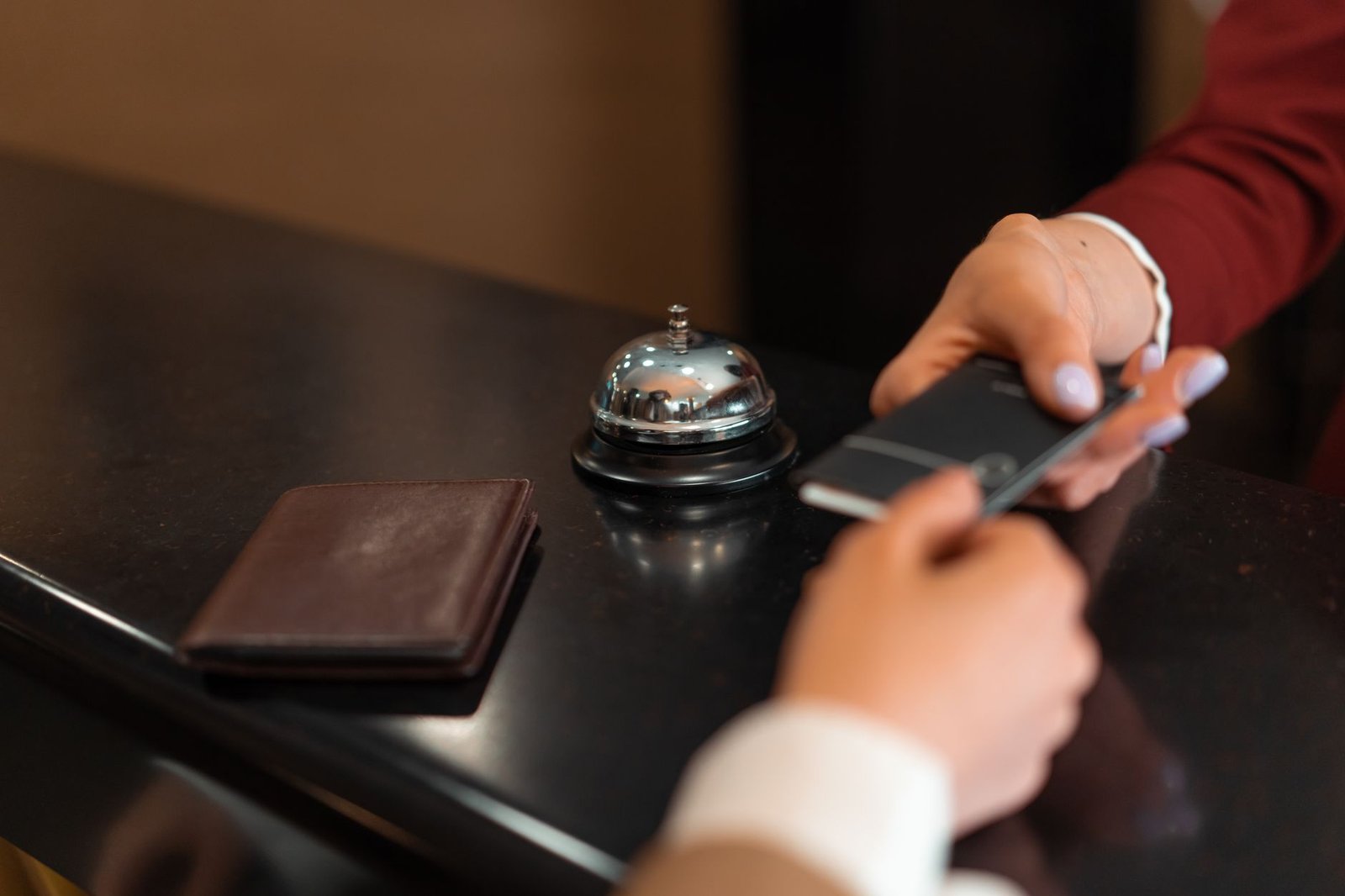
A short confirmation can prevent avoidable confusion. Confirm the date, start time, approximate finish time, meeting type and the agreed location or area. If you are staying in a hotel, check its visitor policy yourself and provide accurate information where necessary. Do not ask someone to take unnecessary risks with access or reception arrangements.
For visitors travelling from places such as Saffron Walden or Peterborough, build in a realistic travel margin. Cambridge traffic, rail disruption and parking restrictions can affect arrival times. If a delay develops, contact the other person promptly using the agreed channel rather than disappearing.
It is sensible to keep a written record of the agreed practical details. This is not a substitute for trust or communication, but it can reduce misunderstandings about timings and arrangements. Be cautious if details change repeatedly at the last minute, especially where there is pressure to send money or disclose sensitive information.
Punctuality, cancellations and changes
Someone’s time should be treated as valuable. Aim to arrive on time, not significantly early, and avoid turning up unannounced. If you arrive before the agreed time, wait in a suitable place until the meeting can begin. If you are running late, explain the situation as soon as you reasonably can.
Plans sometimes change, but cancelling at the last moment can cause inconvenience and lost working time. Give as much notice as possible and follow any clearly stated cancellation terms. Do not invent an emergency to avoid a conversation, and do not expect the other person to rearrange immediately around your revised schedule.
The same principle applies if the other person needs to change plans. A calm response is more useful than accusations. If a new arrangement no longer works for you, say so clearly and decide whether to reschedule or end the enquiry.

Protect privacy and practise discretion
Discretion is a shared responsibility. Use the communication method provided for bookings and avoid searching for, contacting or approaching someone through unrelated personal accounts. Do not share a person’s name, images, location, phone number or booking details with friends, online groups or social media.
When arranging a meeting in Cambridge, choose a setting that allows both people to feel comfortable with arrival and departure. Follow any property rules and avoid drawing attention to another person. If accommodation is involved, respect reception procedures and never misrepresent who is visiting.
Your own privacy matters too. Share only the information needed to make a safe, workable arrangement. Be cautious with identity documents, financial information, home addresses and workplace details. Use secure, agreed payment methods and be particularly careful if someone suddenly requests unusual transfers, gift cards, account credentials or unrelated personal data.
Use safer booking habits
No online directory or conversation can remove every risk, so use ordinary digital and personal safety measures. Check that you are communicating through a genuine profile or established booking route, and be wary of copied photographs, inconsistent details or urgent pressure to act before you have understood the arrangement.
Keep a trusted person informed about your general plans where appropriate, without sharing someone else’s private details. Consider arranging a brief check-in with a friend, use your own transport options where possible, and make sure your phone is charged. If something feels inconsistent or unsafe, you can stop the process.
Never allow embarrassment to override common sense. A respectful professional will understand a reasonable request to clarify arrangements. If a person refuses basic questions, changes agreed terms without explanation or uses intimidation, end the conversation and consider reporting the account through the relevant platform.
After the meeting
Good etiquette continues afterwards. A brief thank-you message is appropriate if you wish to send one, but do not expect ongoing personal contact. Respect a request for no further messages and do not use a positive meeting as a reason to seek private social-media access or a different relationship.
If you want to enquire again, make a fresh, courteous request with realistic dates. Avoid assuming priority, a discount or special treatment because you have met before. If you need to raise a genuine concern, describe the practical issue factually and privately rather than posting identifying information publicly.
Finding reliable information for a Cambridge booking
Readers who are still considering how to begin can review this first-time guide to finding an escort in Cambridge for broader planning advice. Our guide to adult companionship in Cambridge also covers respectful discovery and conversation.
If you are travelling into the city, the Cambridge escort guide for visitors may help you think through timing, privacy and practical arrangements. For wider browsing across the region, you can explore England profiles and locations.
A simple etiquette checklist
- Send a concise, polite enquiry with useful dates, times and location information.
- Discuss practical expectations without assuming anything from images or previous conversations.
- Respect consent, privacy and boundaries before, during and after the meeting.
- Confirm arrangements and allow enough travel time around Cambridge.
- Communicate promptly about delays, changes or cancellations.
- Use sensible digital and personal safety precautions, and leave if an arrangement feels unsafe.
Ultimately, escort booking etiquette in Cambridge is straightforward: communicate clearly, respect autonomy, protect privacy and keep your commitments. A considerate approach supports a more comfortable experience for everyone involved.










No one commented yet. Be the first.