
Arranging a discreet hotel date in Salford works best when the practical details are handled with the same care as the personal ones. Clear messages, realistic timing and respect for hotel rules can make an arrival feel straightforward rather than awkward.
This guide is for adults arranging a private, consensual meeting in a hotel setting. It does not assume what the evening will involve. The focus is on communication, privacy, boundaries and consideration for everyone involved, including hotel staff and other guests.
Start with a clear, low-pressure conversation
Before discussing a hotel, agree the basics in writing. Confirm the date, approximate arrival window, meeting area and how you will recognise one another. If plans depend on travel through central Salford, Eccles or Manchester, allow enough time for delays rather than creating pressure through a rushed schedule.
Keep messages polite and specific. A useful confirmation might cover:
- the agreed date and time window;
- the hotel name and booking arrangement;
- whether the meeting begins in a public hotel area or at a room;
- any visitor-registration requirement;
- how either person should communicate a delay or change;
- the preferred way to end the meeting if either person becomes uncomfortable.
Avoid treating a booking as a promise that every detail is fixed forever. People can ask questions, change their mind or pause a plan. Good etiquette means acknowledging that without arguing or applying pressure.
Choose a hotel with privacy and policy in mind
Privacy does not mean trying to bypass a hotel’s rules. Before booking, check the property’s published policy on visitors, identification, room occupancy, check-in and check-out. Some hotels may require every guest to register, while others may have restrictions on unregistered visitors. If the policy is unclear, ask the hotel directly in a neutral, practical way.
The person making the reservation should know whose name is on it and what identification may be needed. Do not ask another guest to pretend to be someone else, conceal an additional occupant or ignore a staff instruction. A smooth meeting is easier when the arrangement is compatible with the hotel’s terms from the outset.
Location can also affect comfort. A hotel near Salford may be convenient for one person but less suitable for someone travelling from Altrincham, Sale or Stretford. Compare travel time, check-in hours, parking or public-transport options and the likely level of reception traffic. Convenience is useful, but it should never override consent or personal safety.
Make the arrival simple and discreet
Agree a calm arrival plan rather than relying on guesswork. One person may check in first, or both may meet in a public area before going upstairs, depending on the hotel’s policy and the booking arrangement. Neither approach is automatically better; the important point is that both people understand it in advance.
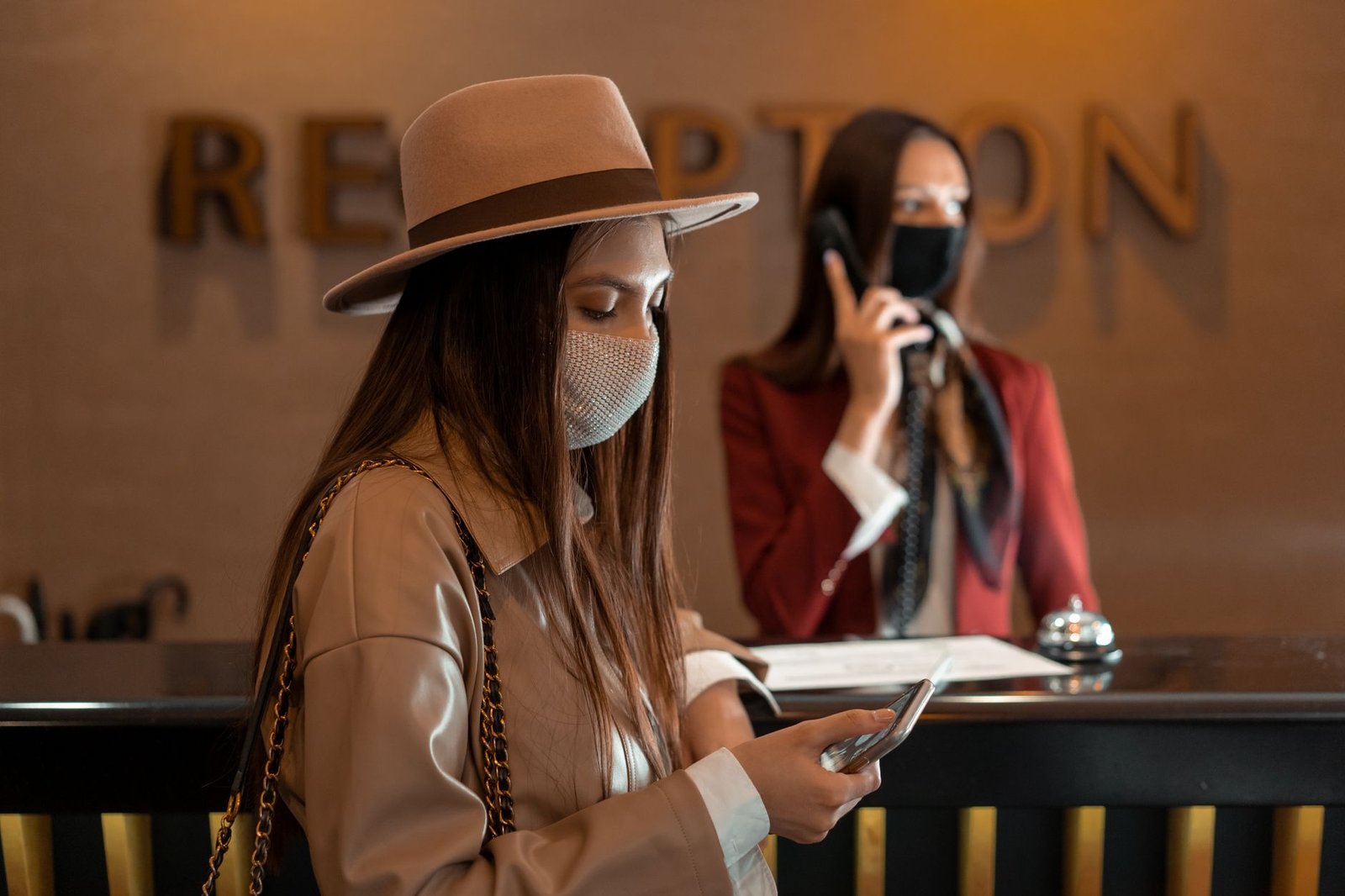
Use ordinary, respectful behaviour in reception and shared spaces. Speak quietly, avoid drawing attention to another guest and keep personal information private. There is no need to explain the nature of the meeting to staff or bystanders, but there is also no reason to behave evasively or challenge reasonable questions.
If one person is delayed while travelling from Urmston, Bolton or another nearby area, send a short update with a revised estimate. Avoid sharing a room number in an open message or leaving sensitive details visible on a phone screen. A simple meeting point and a discreet, agreed form of identification are usually enough.
Do not ask a hotel employee to pass on personal messages, confirm whether someone has arrived or make special exceptions. Staff have their own privacy and security responsibilities. Treating them courteously helps keep the environment comfortable for everyone.
Protect privacy without becoming secretive or controlling
Privacy is a shared responsibility. Keep messages factual, do not forward private conversations and never take photographs or recordings without explicit permission. This includes images of the room, the other person’s belongings, hotel corridors and any identifying details visible in the background.
Consider what information is genuinely necessary. A full home address, personal workplace or detailed travel itinerary should not be demanded simply to arrange a meeting. At the same time, basic information needed for a safe and workable plan should not be treated as an intrusion. The right balance is purposeful communication, not total disclosure.
Be careful with digital traces as well. Check message previews on a shared device, use a private account where appropriate and avoid leaving printed booking details in a public place. These are ordinary privacy measures, not ways to mislead a hotel or another person.
Discuss boundaries before meeting
Boundaries are easier to respect when they are discussed before anyone arrives. Ask what is comfortable, what is not wanted and whether there are subjects that should be avoided. Do not assume that a hotel room, a previous conversation or an earlier agreement gives permission for anything beyond what has been expressly agreed.
Consent must remain present throughout the meeting. Either person can say no, pause or leave, and that decision should be accepted without complaint. If a boundary is unclear, ask rather than guess. If the answer changes, follow the latest answer.
Practical boundaries matter too. Agree whether phones remain on silent, whether refreshments are wanted, how long the meeting is expected to last and whether the door should be answered. These small details can prevent misunderstandings and help both people feel more in control.
Alcohol and other substances can make communication and judgement less reliable. A considerate plan leaves room for a clear, voluntary decision at every stage. If either person seems unable to communicate freely, pause the meeting and prioritise safety.
Respect the room and the wider hotel
A hotel room is still part of a shared property. Keep noise at a reasonable level, follow smoking and occupancy rules, use facilities appropriately and leave belongings organised. Avoid behaviour that could disturb adjoining rooms or create avoidable work for staff.
Do not assume that a higher-priced hotel offers greater privacy, or that a quieter area has no security procedures. A discreet arrangement is one that fits comfortably within normal hotel operations. If a staff member asks for identification or explains a policy, respond calmly and follow the instruction or choose another arrangement.
For readers comparing options around Salford and nearby Manchester, it may help to think in terms of practical fit rather than appearance alone: accessible check-in, clear visitor rules, a suitable meeting area and a route home that remains manageable at the end of the date.
Plan the departure as carefully as the arrival
Agree how the meeting will end, but keep the arrangement flexible enough to accommodate a change of mind. One person may leave first, or both may depart together. Neither should be made to wait, stay longer or disclose a reason for leaving.
Check that personal items, chargers and identification have been collected. Keep conversation in shared areas discreet and avoid discussing private details where other guests can hear. If someone is travelling on to Ashton-under-Lyne, Oldham or Prestwich, allow time for the journey rather than extending the meeting unexpectedly.
If you feel unsafe or pressured, move to a staffed public area and contact someone you trust or the relevant emergency service. A polite ending is desirable, but personal safety comes first.
Follow up with consideration
A short follow-up message can confirm that the journey home was manageable and thank the other person for their time. Keep it proportionate and do not expect an immediate reply. If the meeting will not be repeated, say so kindly and without criticism.
Do not share a review, image, name or private detail publicly without permission. If a future meeting is discussed, treat it as a new conversation: confirm availability, boundaries, timing and hotel arrangements again rather than relying on assumptions from the previous date.
For broader advice on respectful communication, see this guide to booking etiquette in Salford. You can also read the Salford guide for visitors for related planning considerations, or explore Manchester profiles and location information when comparing nearby travel plans.
A simple final checklist
- Have the date, time window and meeting point been confirmed?
- Has the hotel’s visitor and identification policy been checked?
- Does each person know how to report a delay or change of plan?
- Have privacy, photography and communication preferences been discussed?
- Are boundaries clear, voluntary and easy to revisit?
- Is there a practical route home for both people?
- Is the plan respectful of staff, other guests and the property?
The most discreet hotel date in Salford is not the one built around elaborate secrecy. It is the one where expectations are clear, hotel procedures are respected, privacy is mutual and either person can change course without pressure.
Explore locally










No one commented yet. Be the first.