

When people think about entertainment in the United Kingdom, their minds often drift immediately to the bright lights of London’s West End or massive arena tours rolling through Manchester and Birmingham. Yet, the true heartbeat of British culture frequently beats within much smaller, more intimate venues. In coastal towns like Worthing, entertainment is not defined by corporate scale or colossal ticket prices. Instead, it thrives on precision, atmosphere, and the intricate micro-details that transform a standard night out into an unforgettable experience. Whether you are stepping out for live acoustic music, visiting a local independent theatre, or exploring community arts festivals, the nuance is everything.
To understand what makes local leisure culture work so well, one must look beyond macro-level industry trends. While global media advertising revenues climb toward staggering multi-trillion-dollar projections by the end of the decade, and massive multi-million-pound entertainment hubs transform urban landscapes from Leeds down to Bristol, the local consumer experience remains deeply personal. It comes down to acoustics in a room that holds barely a hundred people, the warmth of an independent venue runner welcoming you at the door, or the careful curation of a seaside café’s evening music schedule. These understated elements require profound dedication, reflecting a standard of care that larger, mass-market operations often struggle to replicate.
The Craft of Intimate Venue Design and Acoustic Precision
One of the most overlooked aspects of regional entertainment is the physical environment itself. In major hubs like Liverpool, Sheffield, or Leicester, venues often boast massive sound systems designed to rattle entire city blocks. However, in smaller cultural pockets along the coast, sound engineering is an entirely different discipline. In Worthing, performers and venue operators must work in harmony with historic architecture and compact spaces. Acoustic reflectivity, ceiling heights, and even the positioning of soft furnishings play an active role in how an audience receives a performance.
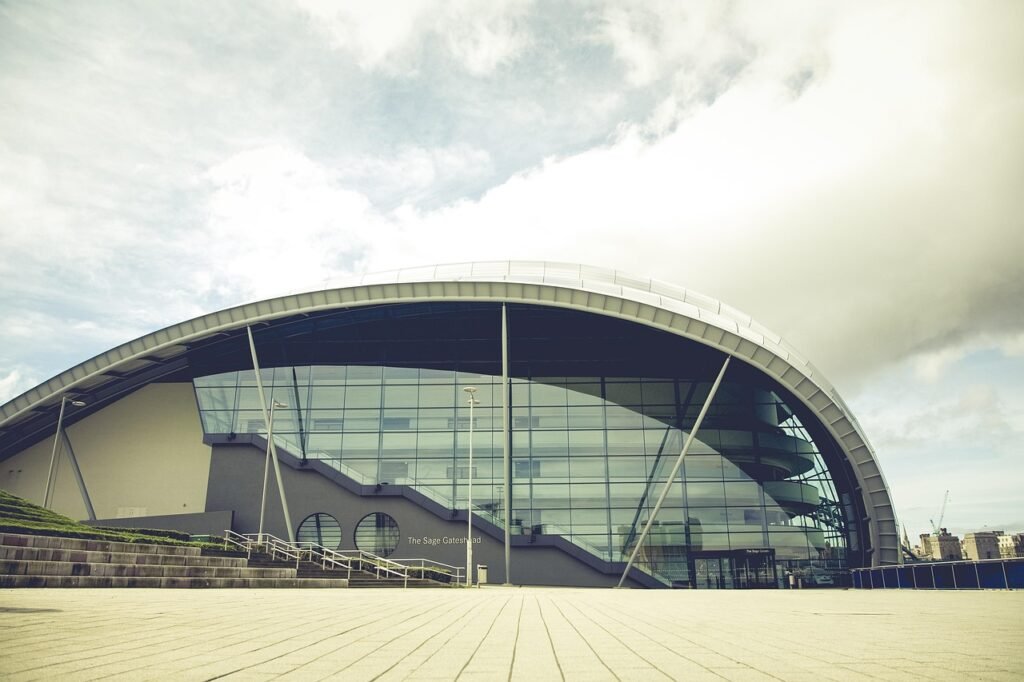
This attention to detail extends far beyond simple volume control. Local promoters understand that true audience engagement relies on comfort and visibility. When patrons settle into a historic hall or a converted seaside lounge, every line of sight matters. The difference between a memorable cultural evening and an awkward night out often hinges on seemingly trivial choices: the spacing of vintage seating, the ambient warmth of stage lighting, and how smoothly sound checks are integrated before doors open. By focusing intensely on these micro-factors, local organizers create immersive environments where the boundary between artist and spectator practically dissolves. It is a level of craftsmanship that echoes the boutique approach seen in select independent arts spaces across Chelsea, Ealing, and Paddington, where patrons value quality over sheer capacity.
Curating Community: The Art of Local Event Programming
Beyond the physical space, the success of entertainment in towns like Worthing rests heavily on thoughtful programming. It is easy to rely on generic touring acts, but true cultural vitality comes from localized curation that speaks directly to the community’s identity. Event organizers must balance familiarity with discovery, weaving together local talent, regional touring artists, and specialized workshops that invite active participation rather than passive consumption.
This curation process requires a deep understanding of local rhythms. A Tuesday night poetry reading demands a completely different atmospheric blueprint than a weekend indie-rock showcase. Successful venue operators pay meticulous attention to pacing—how long intermissions last, how smoothly bar service operates between sets, and how lighting shifts to guide the mood of the room. These elements prevent audience fatigue and maintain a vibrant, welcoming energy throughout the evening. Similar community-driven models can be observed when comparing coastal calendars with cultural nodes across Nottingham, where local arts councils and independent operators continuously refine their schedules to match the shifting expectations of discerning audiences.
The Interplay Between Food, Drink, and Live Performance
No modern entertainment experience exists in a vacuum; food and drink have become integral components of how people consume culture. However, the way hospitality intersects with performance varies dramatically depending on the scale of the venue. In massive multi-million-pound entertainment hubs featuring sprawling food halls, the dining experience is often fast-paced and high-volume. In contrast, smaller coastal venues approach culinary integration with an emphasis on local character and relaxed pacing.

In Worthing, an evening out frequently pairs a live acoustic set or a theatrical staging with locally sourced refreshments. The small details shine here as well: a carefully chosen selection of regional craft beers, artisanal snacks that support nearby producers, and service staff who know the performers by name. This seamless blending of hospitality and art creates a holistic experience. Instead of treating food as an afterthought or a rushed commercial transaction, intimate venues treat it as an extension of the hospitality that defines independent British leisure. It is this dedication to quality over quantity that keeps audiences returning, proving that the smallest details often leave the most lasting impressions.
Explore locally










No one commented yet. Be the first.