
When examining the cultural fabric of coastal cities across the United Kingdom, certain locations stand apart through their distinct approaches to leisure and public recreation. From the grand Victorian layouts that shaped early tourism to modern multimedia hubs, how a destination curates its recreational offerings reveals much about its character. In places like Brighton and Hove, the appeal often lies not in massive, homogenous commercial complexes, but in the intricate details—the texture of a historic pier, the quirky thematic choices of a local venue, or the careful balance between traditional seaside charm and modern technological integration. These nuances define the experience for residents and visitors alike, turning a standard evening out into something memorable.
Exploring this dynamic requires looking at how different regions approach leisure development. While metropolitan hubs such as London or Birmingham often lean toward sprawling, high-capacity corporate venues and massive arts festivals, coastal and regional centres frequently rely on intimacy and originality. For instance, when a seaside establishment reconfigures its layout—such as transforming a standard seafront restaurant into an integrated entertainment hub—the motivation is rarely just about square footage. It is about creating flow, enhancing social interaction, and offering visitors a seamless transition from dining to immersive diversion. Similar spatial evolution can be observed when comparing operations further north, such as those found in Leeds or Manchester, where industrial heritage sites are repurposed into creative districts, or even down toward the historic theatres managed in partnership with regional councils in towns like Eastbourne.
The Architecture of Seaside Recreation and Pier Culture
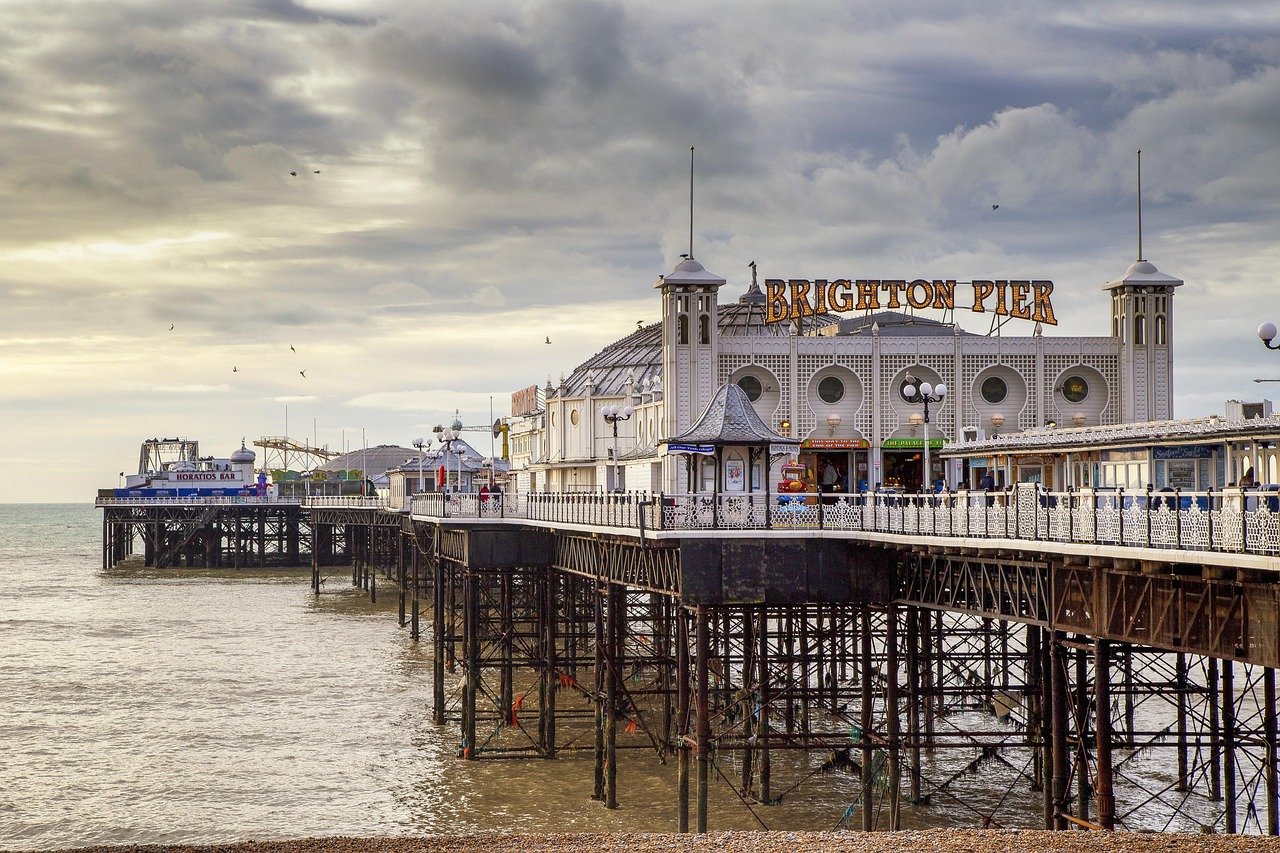
The traditional British seaside experience is deeply intertwined with architectural infrastructure. The palace pier in Brighton stands as a prime example of how structural heritage continues to influence contemporary public leisure. Unlike landlocked entertainment districts, a coastal venue must contend with the elements, making structural maintenance and atmospheric details critical components of its enduring appeal. The sound of boardwalk planks, the arrangement of classic arcade games, and the unobstructed view of the horizon all contribute to a sensory ecosystem that digital-only platforms cannot replicate.
This commitment to physical space is echoed in other regional entertainment zones across the UK. In places like Bristol and Sheffield, urban regeneration projects often focus on waterfronts or converted industrial spaces to achieve a similar sensory variety. Yet, the coastal atmosphere introduces unique considerations. When local authorities or developers invest in transforming seafront attractions—such as replacing older amenities with multi-million-pound entertainment zones featuring modern pools and cafes—the challenge lies in preserving the nostalgic essence of the location while upgrading its functional utility. It is a delicate equilibrium between honoring the past and meeting modern expectations for comfort, safety, and variety.
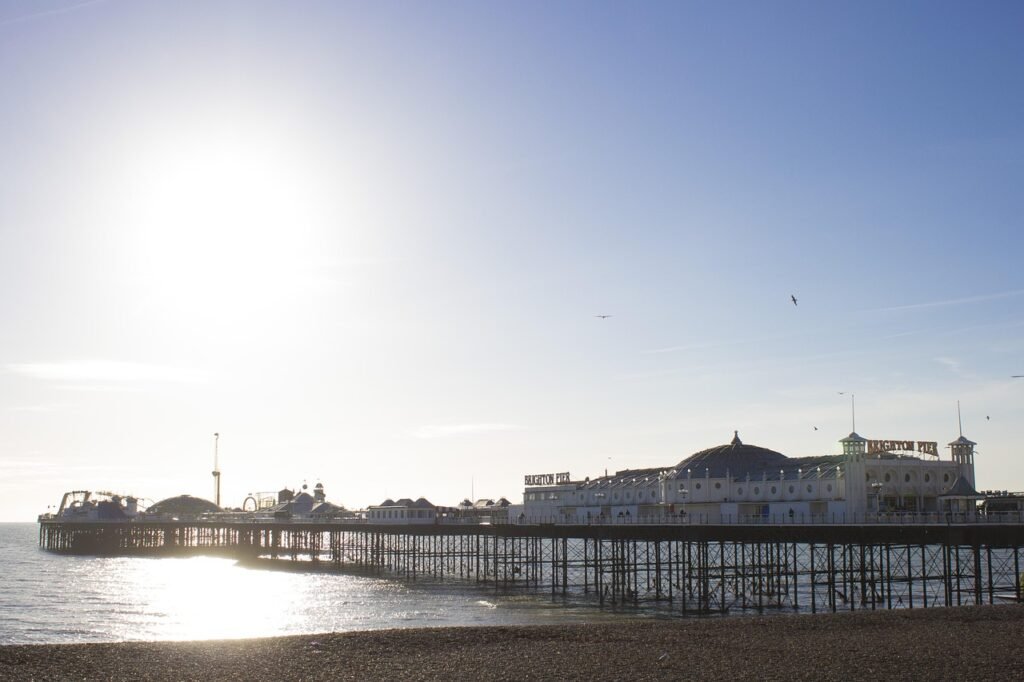
Furthermore, smaller operational details frequently dictate success. The transition of venues to accommodate changing consumer habits can be seen in how spaces are utilized throughout the day. A location that functions as a relaxed daytime viewing spot may pivot seamlessly into a lively evening venue through subtle shifts in lighting, acoustic management, and localized programming. These are the fine-grained adjustments that patrons notice instinctively, even if they cannot immediately articulate why a particular venue feels more welcoming than another.
Quirky Bars, Independent Venues, and Niche Appeal
Beyond large-scale attractions, the heart of local culture often beats fastest in independent spaces. Venues that embrace eccentricities and unconventional concepts regularly capture national attention. Recognition given to quirky bars in Brighton—such as those earning accolades as top entertainment venues in the United Kingdom—illustrates the power of distinctive branding and imaginative interior design. When a bar integrates unusual interactive elements, thematic storytelling, or hidden architectural surprises, it shifts the visitor’s mindset from passive consumer to active participant.
This spirit of originality is mirrored in other vibrant creative communities. In areas like Nottingham, Leicester, and Liverpool, independent nightlife and performance spaces thrive by offering alternatives to mainstream commercial nightlife. The success of these establishments relies heavily on micro-decisions: the curation of independent local beverage menus, the commissioning of regional artwork for wall displays, and the fostering of a community-driven atmosphere. Patrons seeking genuine engagement often gravitate toward venues where every corner tells a different story rather than standardized corporate franchises.
Even within the broader context of national entertainment developments—such as industry summits featuring executives from global giants like Netflix, Sony, Disney, EA, and Tencent discussing the future of media—the fundamental human desire for local, tangible gathering spaces remains unchanged. While digital streaming and gaming evolve rapidly, physical venues provide a grounding social anchor. The small details, from friendly door staff to well-thought-out seating arrangements, are what ultimately secure a venue’s reputation within its community.
Balancing Tradition and Modern Infrastructure Development
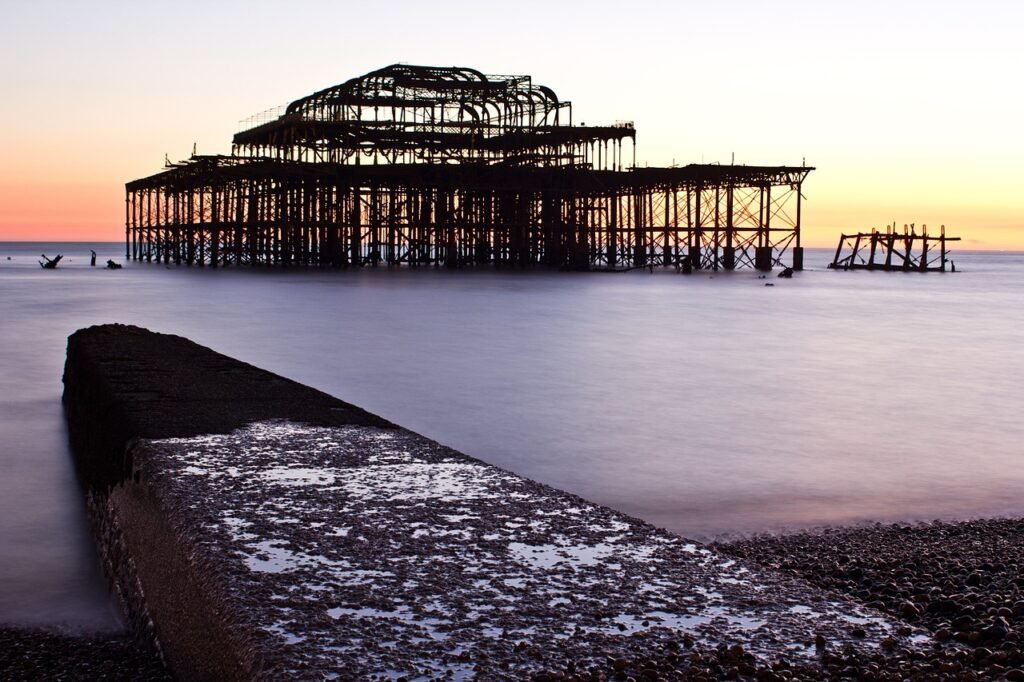
As cities continue to evolve, the pressure to modernize infrastructure while retaining historical identity intensifies. In Brighton and Hove, this tension is visible in ongoing urban planning decisions, where beloved older seafront structures occasionally make way for comprehensive regeneration projects. These large-scale investments—ranging from £65m entertainment zones to smaller community-funded leisure spaces—aim to future-proof local economies and provide diverse activities for all age groups.
Similar municipal balancing acts take place across various UK locales, from the cultural corridors of Paddington and Ealing to the historic public spaces of Chelsea. In each of these areas, the success of an entertainment venue or public project depends on how well it integrates with its immediate surroundings. A newly opened state-of-the-art entertainment centre or a revitalized local theatre does not exist in a vacuum; it relies on transport links, foot traffic patterns, and a deep understanding of what local residents actually value in their spare time.
Ultimately, whether examining a high-end corporate media summit or a local seaside arcade, the overarching takeaway is that entertainment is deeply contextual. The small details—how a space smells, how light hits a stage, how easily a visitor can navigate from one zone to another, and how authentically a venue reflects its geographic roots—are what separate ordinary outings from extraordinary experiences. Brighton and Hove continues to serve as a fascinating microcosm of this principle, blending historic coastal charm with a continuous drive for innovative leisure concepts.
Explore locally










No one commented yet. Be the first.